PROTOCOL :: PAEM-01 / OPERATIONAL READINESS
MODE :: PREPARE / RESPOND / RECOVER
Incident command for tree emergencies
Emergency Tree Preparedness & Storm Response
Build the plan. Activate qualified crews. Control scope, cost, and documentation from first assessment through closeout.
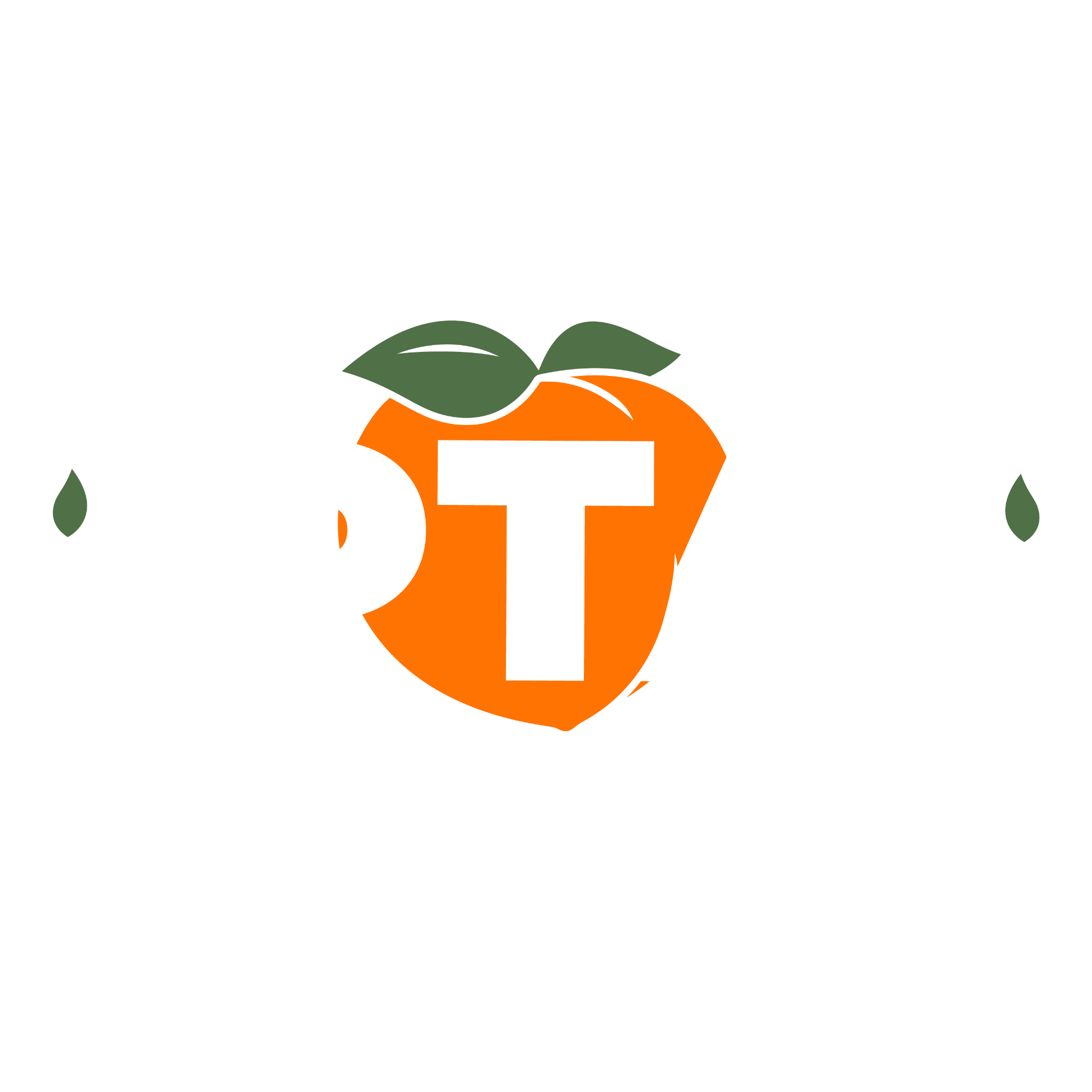
RESPONSE SYSTEM
Emergency Management
STATE :: READY
Property intelligence
Activation protocol
Field network
Incident record
BEFORE IMPACT
Plan · inventory · policy review
AT ACTIVATION
Assess · triage · dispatch
AFTER IMPACT
QA/QC · claim · reimbursement record
Operational model
Prepare. Activate. Control.
A single command structure for readiness, field response, documentation, and recovery.
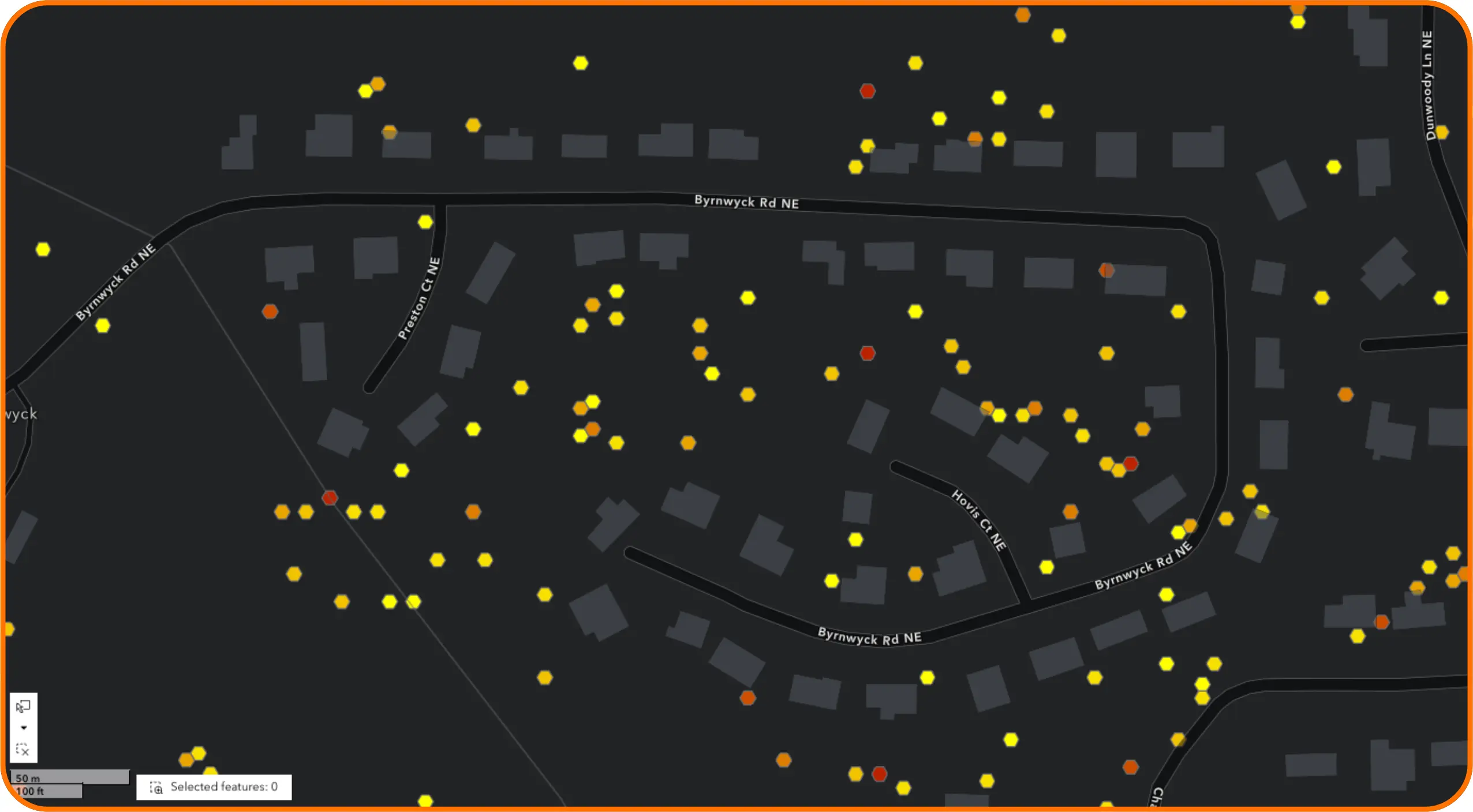
Common operating picture
Inventory · exposure · access · status
Activation state
Move before capacity disappears.
WATCH
01
Monitor exposure
Forecast overlaps covered properties.
STAGE
02
Confirm readiness
Access, authority, crews, and equipment.
RESPOND
03
Deploy by priority
Life safety, access, structures, utilities.
Pre-positioned crews
Earlier triage. Known equipment. Cleaner authorization. Fewer market-capacity surprises.
EMERGENCY ACTIVATION MATRIX
Threat state translated into command action and field output.
PROTOCOL :: PAEM-01
Emergency preparedness
Build the readiness cycle before storm season.
The plan stays useful only when the property record, policy assumptions, response authority, and contractor capacity are reviewed together.
01
Inventory
Properties, trees, access, utilities
02
Policy review
Limits, deductibles, exclusions, authority
03
Response plan
Contacts, approvals, reserves, vendors
04
Annual exercise
Refresh roles, routes, and capacity
05
Monitoring
Forecast, exposure, activation threshold
Policy readiness checklist
Decision authority
Know who can authorize action.
Emergency response
Activate against a defined threshold.
Trigger response when forecast exposure, critical access, occupied structures, utilities, or field reports cross the limits established in the plan.
01
Damage assessment
Capture conditions and loss extent.
02
Triage
Rank life-safety and access hazards.
03
Scope control
Separate immediate and permanent work.
04
Crew dispatch
Match equipment, access, and priority.
05
QA / QC
Verify work, evidence, and closeout.
FIRST
Protect life safety and access
NEXT
Stabilize structures and utilities
THEN
Complete authorized removal and recovery
Insurance control
Assess first. Decide the claim path. Then authorize work.
Rapid damage assessment gives ownership the information needed to file a claim or self-fund the loss without surrendering control of scope and cost.
DECISION GATE 01
File or self-fund?
CLAIM CONTROL SEQUENCE
01
Document
Before debris moves
02
Notify
Carrier and adjuster
03
Adopt scope
Work and pricing in file
04
Execute
Authorized vendor work
A contractor cannot promise coverage.
Avoid non-immediate work until the carrier or adjuster has accepted the scope and pricing into the claim file. Cutting first and negotiating later creates preventable disputes.
Peachtree provides arborist assessment, field documentation, vendor coordination, and QA/QC. Coverage and payment decisions remain with the carrier.
FEMA Public Assistance
Build the reimbursement record in the field.
For eligible public entities and certain private nonprofits after a declared disaster, reimbursement depends on eligibility, legal responsibility, procurement, field evidence, and cost documentation.
Eligibility
Applicant · facility · legal responsibility
Work category
Category A debris · Category B protective measures
Field record
Threat · location · photos · quantities · load tickets
Cost record
Procurement · labor · equipment · invoices · insurance
Eligibility is determined by FEMA and the applicable grant process. Insurance and other funding must be reconciled to avoid duplicate benefits.
FEMA Public AssistanceLoss reduction
Make the next incident smaller.
Inventory, inspections, priority pruning, removals, and planned budgets reduce avoidable exposure before the forecast changes.
Program scope
Three functions. One incident record.
Engage the full program or a specific operating function.
01
Planning · Pre-positioned contractors · Annual review · Monitoring · Inventory · Budgeting
RESIDENTIAL RESPONSE
Emergency help for a home or individual property.
Fallen trees, trees on structures, blocked driveways, technical removal, cleanup, and insurance-oriented documentation.
FAQ
Emergency Preparedness & Response questions
What is included in an emergency preparedness plan?
The plan defines covered properties, emergency contacts, access requirements, approval authority, priority trees and locations, available inventory data, contractor coverage, communication procedures, and budgeting or authorization thresholds. It is reviewed at least annually and updated when the portfolio, contacts, or risks change.
Can contractors be positioned before a major storm?
Yes, when the event forecast, portfolio exposure, and contractor availability support it. Peachtree can identify and coordinate credentialed vendors before impact so responsibilities, access, equipment needs, and authorization paths are clearer if damage occurs.
What happens immediately after storm damage?
Peachtree documents the damage, prioritizes life-safety and access, develops the initial scope, coordinates required approvals, dispatches the appropriate crew, and tracks field work through QA/QC and closeout.
How do you support an insurance claim?
We organize damage assessments, site photographs, scopes, estimates, approvals, invoices, and completed-work records so the property owner can file and support the claim. We also coordinate insurer pre-approvals when required and keep vendor work aligned with the documented scope. Coverage decisions remain with the insurer.
Does FEMA reimburse emergency tree and debris work?
FEMA Public Assistance may reimburse eligible governments and certain private nonprofits for eligible disaster-related work after a federal declaration. Eligibility depends on the applicant, facility, legal responsibility, work category, procurement, cost, documentation, insurance, and FEMA review. It is not ordinary property insurance or a guaranteed reimbursement. Peachtree can help organize field records; applicants should coordinate with their emergency-management and grant-administration team.
Who performs the emergency tree work?
Physical tree work is completed by credentialed, insured local vendors selected for the property, damage, access conditions, equipment needs, and response requirements. Peachtree coordinates the scope, dispatch, documentation, and QA/QC.
Can you support properties outside Atlanta?
Yes. Peachtree can coordinate preparedness and response for multi-site portfolios through credentialed local vendors, using the same plan, documentation standard, and accountable process across locations.
Related
Other services we coordinate
Emergency Preparedness Planning
Define exposure, authority, insurance requirements, contractor coverage, and activation thresholds before severe weather becomes an incident.
Learn moreEmergency Tree Crew Mobilization
Mobilize a controlled field response with rapid damage assessment, priority-based dispatch, scope control, and documented QA/QC.
Learn moreStorm Damage Assessment & Claims Support
Document the loss, coordinate the adjuster workflow, control the authorized scope, and preserve the record from first assessment through closeout.
Learn moreResidential Emergency Tree Service
Rapid arborist-led coordination for storm-damaged, fallen, uprooted, or structurally compromised trees affecting a home, driveway, vehicle, or utility.
Learn moreTree Removal
Safe, arborist-assessed removal of hazardous, dead, or unwanted trees, including access-constrained and technical removals.
Learn moreTree Management Plans
A technology-enabled annual program that connects recurring tree care, emergency readiness, vendor coordination, and year-over-year budgets.
Learn moreEmergency response works better when the plan, contractor coverage, approval path, and property record are established before the storm.
Get an EstimatePrepare now—or get help after the storm.
Tell us which properties need coverage or where damage has occurred. Peachtree will define the next step, coordinate the appropriate contractor, and keep the record connected.