
The finding
Keep observations and any recommended investigation with the tree’s record.
Tree health & ongoing care
Understand what has changed. Choose the right next step. Keep a record of how your trees respond.
Start with the cause
Tree health care brings assessment, appropriate treatment and follow-up into one plan. Peachtree helps Atlanta property owners and managers connect concerns about individual trees with the work and maintenance history of the wider property.
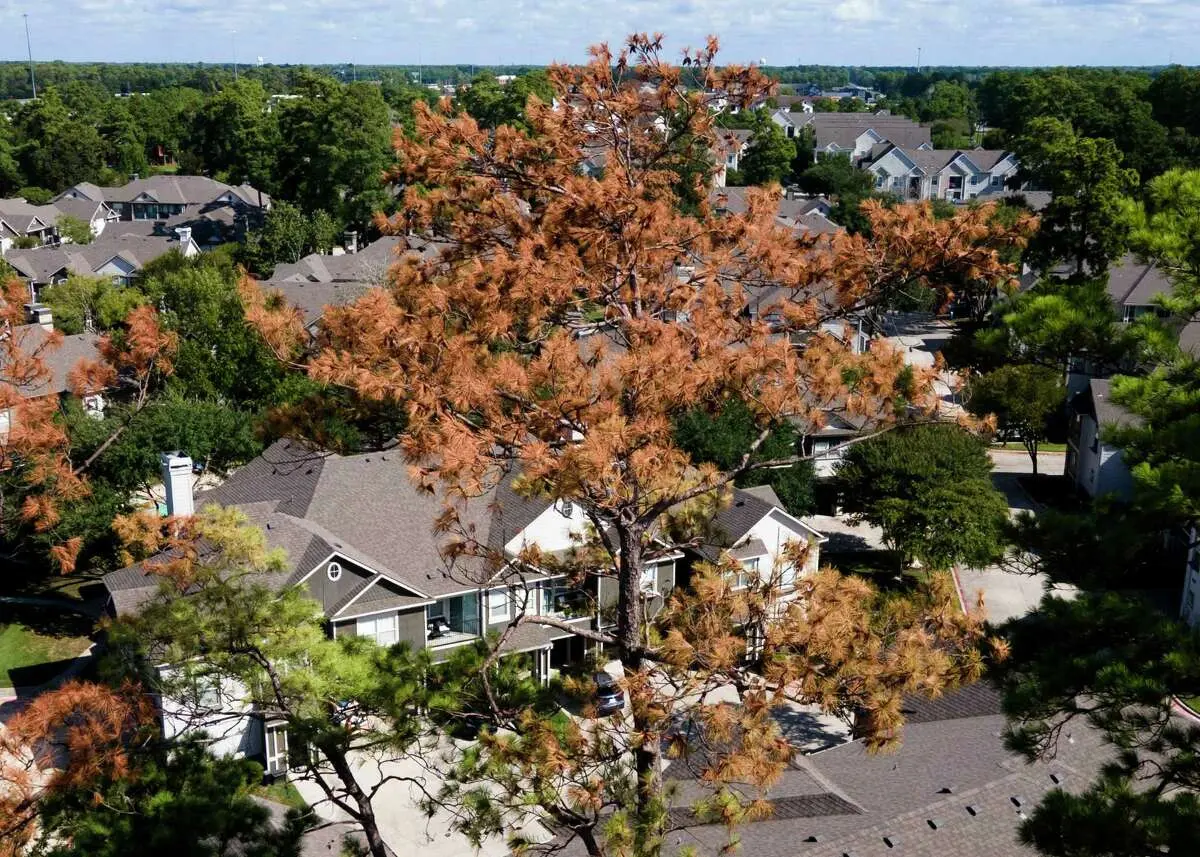
Discolored leaves, dead branches and early leaf drop can warrant an arborist’s attention. Looking at the tree alongside surrounding landscape conditions helps inform the next step.
ISA guidance on plant health care →A connected care process
Assess
Review symptoms, site conditions and the history of the concern.
Plan
Define the recommended care, scope and follow-up needs.
Coordinate
Authorize work and align the people caring for the property.
Review
Record the response and determine the next action.
Assess
Review symptoms, site conditions and the history of the concern.
Plan
Define the recommended care, scope and follow-up needs.
Coordinate
Authorize work and align the people caring for the property.
Review
Record the response and determine the next action.
Keep observations and any recommended investigation with the tree’s record.
Record what is authorized, who is coordinating it and what follow-up is included.
Compare later observations with the starting condition and update the plan.
Make the scope useful
Understand which trees are included, what action is proposed and where more information is needed.
Align tree care with the people handling irrigation, landscape maintenance and access to the property.
Agree on follow-up observations and the information needed to decide whether the plan should change.
Connect findings and completed work to tree locations so the next assessment starts with context.
Care across your property
Keep tree health observations alongside mapped locations, work priorities and recurring maintenance.
Common questions
No. Similar symptoms can have different causes. An arborist considers the tree, its surroundings and the history of the problem before recommending the next step.
The recommendation depends on the assessment. A plan may involve monitoring, changes to routine care, targeted treatment or further investigation. The scope should explain what is recommended and why before work is authorized.
Share the address, photographs of the whole tree and affected areas, when the change first appeared, and any recent landscape work or treatments. Include access requirements and any previous reports.
Pricing depends on the number and size of trees, access, the assessment required, the agreed treatment scope and follow-up visits. Request a property-specific scope rather than assuming every tree needs the same program.
Timing depends on the underlying problem, tree condition and recommended care. Agree on what will be monitored and when the tree will be reviewed. A treatment visit alone does not confirm that a problem has been resolved.
Yes. Health observations and approved work can be connected to mapped tree locations and maintenance history, helping your team track follow-up needs and plan future budgets. Specific treatments and monitoring should be defined in the agreed scope.
Give each tree concern a clear next step and a connected care record.
Request a reviewShare your property address, photographs and what you have noticed. We’ll help define the next step.