
RESPONSE :: PAEM-OPS-01
STATE :: ACTIVE INCIDENT
Emergency Tree Crew Mobilization
Assess fast. Establish priority. Dispatch the right resource. Control scope and documentation through closeout.
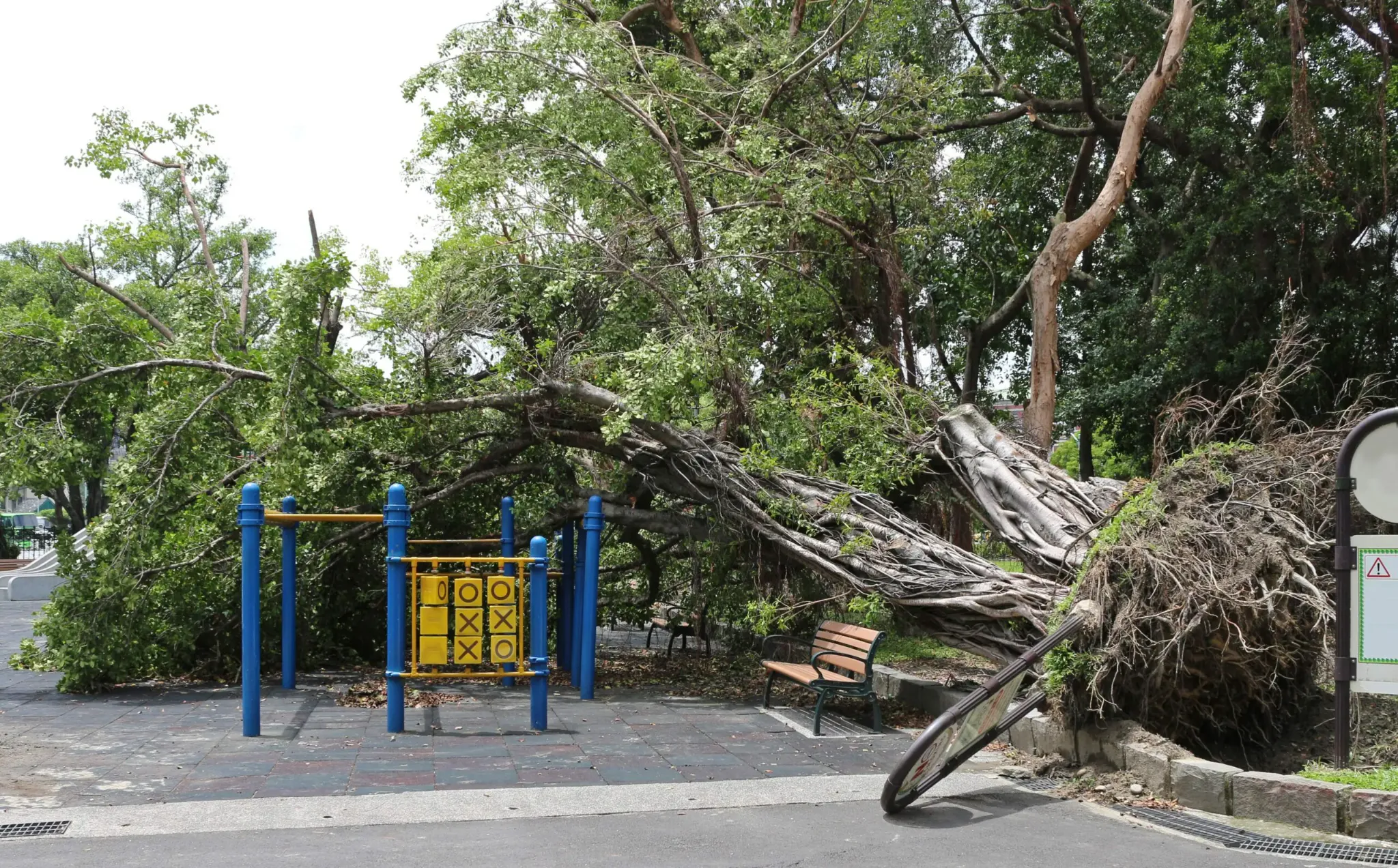
FIELD CONTROL
Response Operation
MODE :: TRIAGE / DISPATCH
Incident opened
Conditions assessed
Resource assigned
Completion verified
P1
Life safety
P2
Critical access
P3
Structures + utilities
P4
Recovery
First operational period
Establish priority before crews move.
Rapid assessment converts scattered reports into a controlled response order, field assignment, and incident record.
The first objective is not maximum production. It is a defensible operating picture: what happened, where the hazards are, what must happen first, and who is authorized to act.
Response sequence
One chain of control from report to closeout.
Each phase produces the input required by the next—without separating the field operation from its documentation.
01
Intake
Verify site, reporter, access, and authority
02
Assess
Capture conditions, hazards, and loss extent
03
Triage
Rank life safety, access, structures, and utilities
04
Dispatch
Match crew, equipment, geography, and priority
05
Control
Track scope, evidence, QA/QC, and closeout
INPUT
Verified report + property record
CONTROL
Priority + authority + assigned resource
OUTPUT
Completed scope + evidence + exceptions
Scope control
Stabilize the threat. Then define permanent work.
Emergency protective work and permanent recovery should remain visible as separate decisions, even when the same contractor performs both.
IMMEDIATE :: PROTECTIVE
Remove the immediate threat.
PERMANENT :: RECOVERY
Authorize the remaining scope.
Dispatch control
Match the resource to the incident.
Dispatch is a controlled assignment based on priority, site conditions, equipment, geography, and authority.
Pre-positioned contractor coverage reduces qualification and coordination work when local capacity is already tightening.
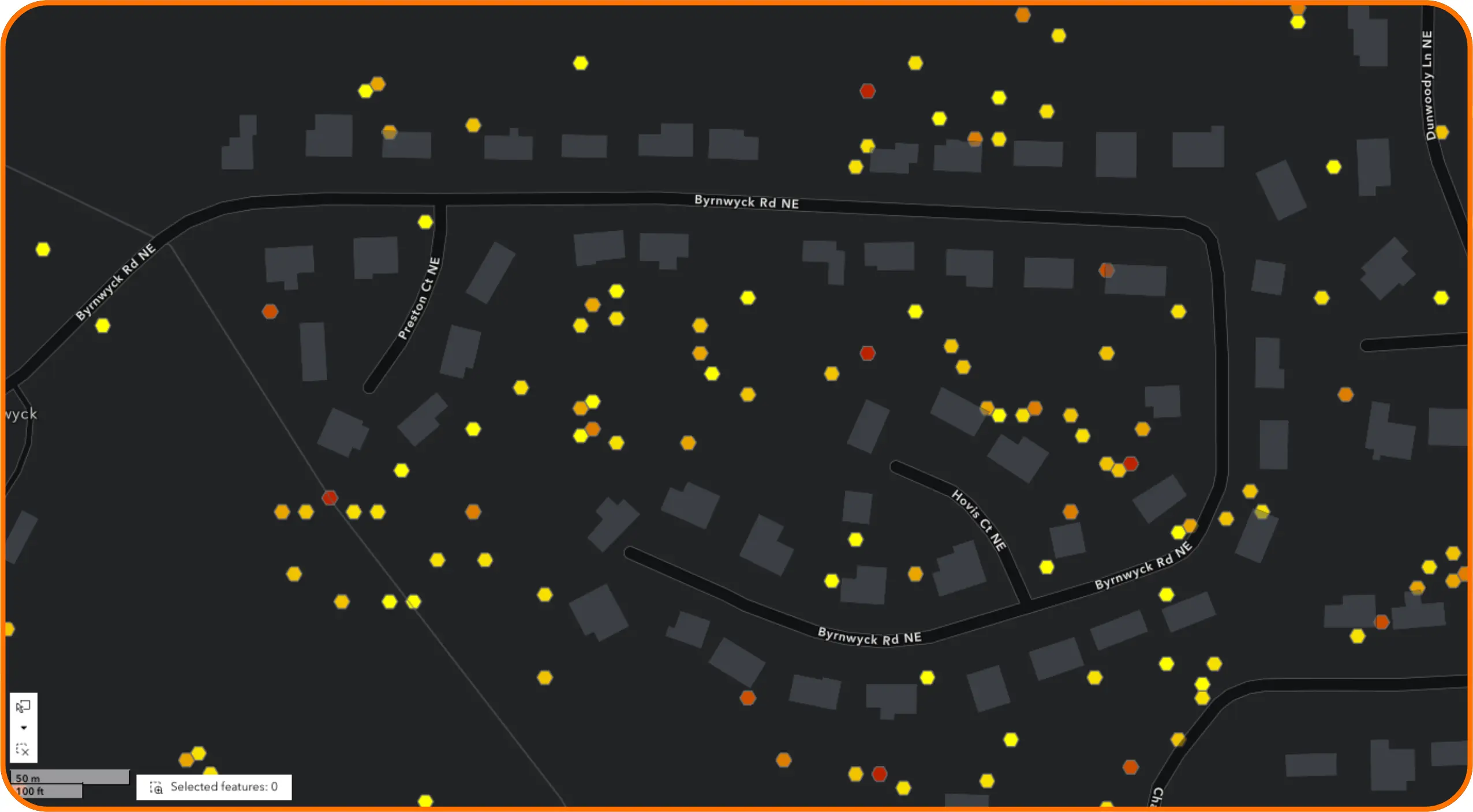
DISPATCH VIEW :: ACTIVE AOI
Priority · access · resource · status
ASSIGNMENT :: CONTROLLED
One field assignment. One authorized scope. One incident record.
QA/QC + CLOSEOUT
Close the work and preserve the incident record.
Field evidence, authorized scope, completion, exceptions, and follow-up remain connected for ownership review and any later insurance or reimbursement process.
Built for HOAs & property managers, Commercial campuses, Municipal & public entities, National & multi-site portfolios.
FAQ
Crew Mobilization questions
What happens when emergency response is activated?
Peachtree opens an incident record, verifies the affected site and authority, documents reported conditions, establishes priority, assigns the appropriate assessment or crew resource, and tracks the event through field work and closeout.
How are emergency tree hazards prioritized?
Priority begins with immediate threats to people, emergency access, occupied structures, utilities, and essential operations. Lower-priority debris removal and permanent restoration follow after immediate conditions are stabilized and the scope is authorized.
Why is a rapid damage assessment important?
It gives ownership an early record of conditions, likely scope, access constraints, equipment needs, and loss extent. That information supports triage, dispatch, internal budgeting, and the decision to notify an insurer or self-fund the work.
Who performs the emergency tree work?
Physical work is performed by credentialed, insured contractors selected for the location, hazard, access, equipment, and response requirements. Peachtree coordinates assessment, scope, dispatch, field documentation, and QA/QC.
What does QA/QC cover during emergency response?
QA/QC compares completed work with the authorized scope, reviews site and photographic evidence, records exceptions or additional findings, confirms required cleanup or follow-up, and keeps completion information connected to the incident record.
Related
Other services we coordinate
Storm Damage Assessment & Claims Support
Document the loss, coordinate the adjuster workflow, control the authorized scope, and preserve the record from first assessment through closeout.
Learn moreResidential Emergency Tree Service
Rapid arborist-led coordination for storm-damaged, fallen, uprooted, or structurally compromised trees affecting a home, driveway, vehicle, or utility.
Learn moreEmergency Preparedness Planning
Define exposure, authority, insurance requirements, contractor coverage, and activation thresholds before severe weather becomes an incident.
Learn moreEmergency Tree Preparedness & Storm Response
Build the plan before the storm, activate qualified crews when conditions change, and protect the record before debris moves.
Learn moreTree Management Plans
A technology-enabled annual program that connects recurring tree care, emergency readiness, vendor coordination, and year-over-year budgets.
Learn moreEmergency response works when assessment, priority, dispatch, scope, and field evidence remain under one chain of control.
Get an EstimateActivate a controlled field response.
Tell us where damage occurred, what access is available, and what is threatened. Peachtree will establish the next action, coordinate the appropriate field resource, and preserve the incident record.